
Tech stores suck. Is it high prices? No, they usually price match. Is it because online shopping is more convenient? No, because even if they don't have it, they can ship it fast and usually free of charge. Then what is the problem? The service. But before you either disagree or agree for very different reasons, it's not the people themselves that are the problem. Workers at modern retail are honestly very nice and happy to help; the problem is that they don't know what they are selling and how to sell it.
"What?! Of course they know what they are selling!" Yeah, no kidding, but they don't know the details and comparisons of the products. Technology is a very nuanced and opinionated area of human life. Ask two of your friends about whether you should buy a certain piece of technology, and I can guarantee a debate will erupt and sides will be taken in an almost holy war fashion. Go to a tech store and ask an employee what is better between two products... they will read the box and just pick the thing in your price range. They don't know what they are selling! That's because people who work in these stores are not tech people. Nor do I expect them to be some kind of techno-futuristic acolyte.
These stores don't give them the proper training or understanding of common technology to give out good advice. But this is just the average worker. I was a former warehouse employee at a Best Buy. I have worked with people that could rival a display or audio engineer with their knowledge and passion for home theater equipment or PC gaming. When you are with someone like that, you are in good hands. However, the average person working wants to help but doesn't have the knowledge to truly help.
The Apple Section was close to the warehouse, so I could overhear and see many conversations from there. It would usually be an older customer who has no idea about computers other than that they need them to do their bills and to FaceTime their family, who just had their decade-old Mac bite the dust. Instead of just recommending them a MacBook Air with 16 GB of RAM (because at this time they default came with 8 GB) and maybe more storage if they determined they needed it, they would always sell them an iPad on the face of "convenience," and this would just make me want to lose it.
The sales rep wasn't wrong; an iPad is more convenient, and I know why they were trying to sell it to them. To young people, an iPad is just easier. You click around on the screen with your dumb-as-a-rock app and you will be on your merry way. However, for older adults, an iPad is like handing them a PhD-level math problem and saying, "you got this." Watch any (non-tech adapted) adult fiddle with an iPad, and it is the most unnatural thing to witness. When we gave my Grandmother an iPhone, it would just confuse her beyond belief. I totally get why, too. If you go your entire life using technology through physical switches and buttons, and all of those switches and buttons correspond to something in the real world, then a glass sheet with these abstract app icons that don't interact with the real world is beyond confusing. All children born since like 2004 have pretty much grown up with a touchscreen, and guess who usually works at a Best Buy or Microcenter? Someone born around 2004.
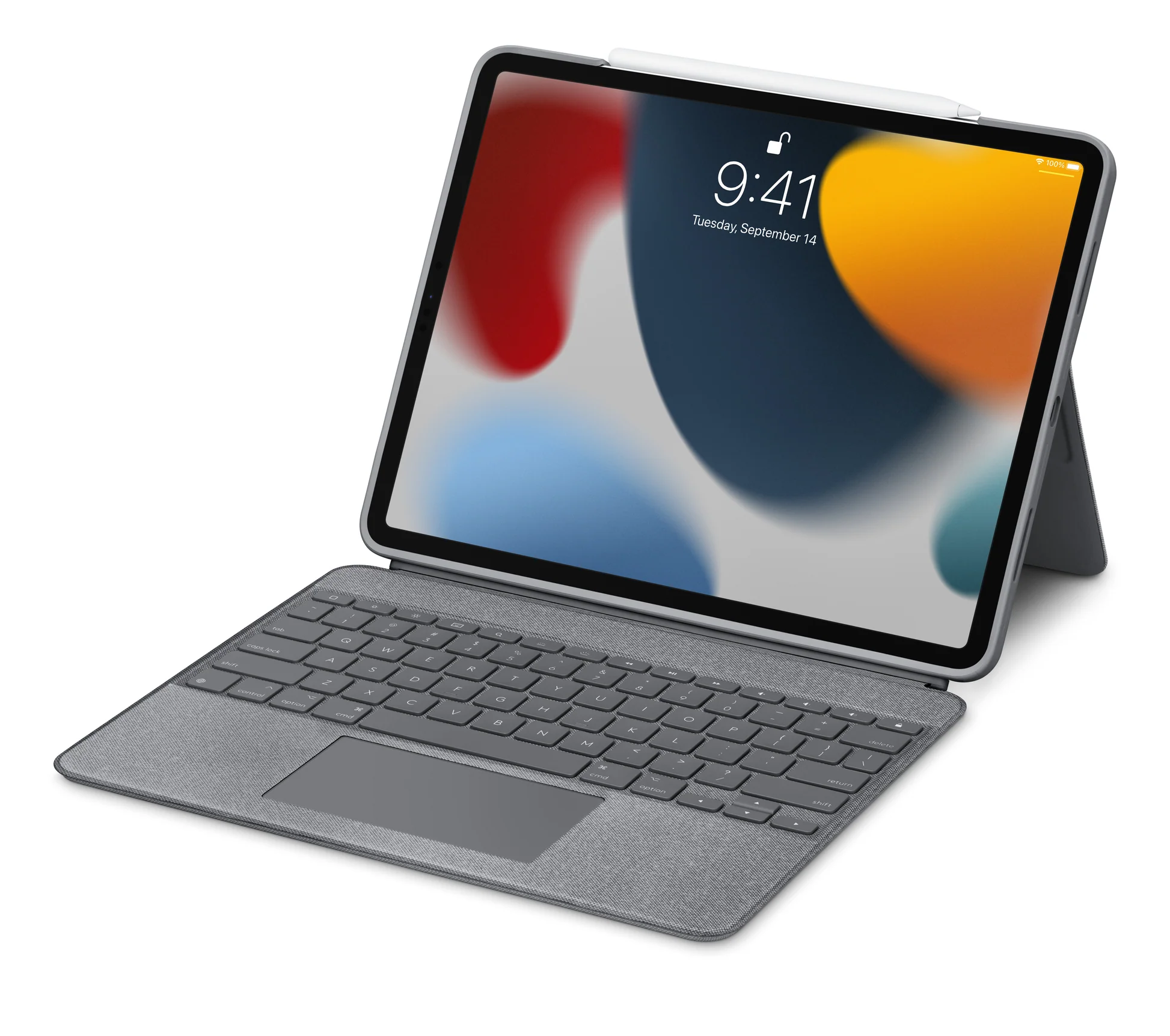
Back at the Apple section, the sales rep would glaze the iPad saying, "it's so portable and easy to use and cheaper than a Mac!" and then when the customer would say, "but I need a keyboard," the next cheerful response would be, "oh well you can just buy this Apple keyboard accessory and then it’s just like a computer!" I praise that sales rep's enthusiasm and belief the customer will become a pro iPad user and no longer be bound to their office desk for their computing. I wasn't granted enough time to just hang around and hear the entire interaction, but given the fact we moved more iPads than MacBooks, I wondered if the sales rep was successful in their approach...
So let me break down why I think this is a failed attempt at helping the customer and has really only set them up for failure. Let's recreate this entire customer from scratch. An older customer walks in and explains that their 10-year-old MacBook has really just bit the dust for whatever reason and they are looking to replace it. They say they want a new Mac because "that is what I am familiar with" (this is an important phrase for later). As a new sales rep, you know that most young adults and consumers love their iPads, and given the fact that new iPadOS updates have made it easier to use with a mouse and keyboard, and the fact an iPad is cheaper than a new MacBook, then it should be an easy sell. You show them the iPad; the customer is interested but seems uncomfortable in this new computing paradigm. Your enthusiasm calms them, and since it's cheaper, it just makes sense.
The customer goes home, unboxes the iPad, and gets through the login process. Then they have no idea how to open a PDF they have saved to the iPad because the Files app on iPad is still its weakest link. They are now mad and upset that all this time and money has been wasted.
To explain why the iPad was a bad choice, the phrase "that is what I am familiar with" is how you should base your entire interaction. That isn't a stubborn "I'm old and I don't want to learn new things," it’s a "I'm scared because I have trouble figuring these things out. I don't have anyone who can teach me how to use it so if we can stay as close to what I had, I know I can get my work done." So it makes perfect sense to just show them the Mac. Your next question would be, "what do you do on your computer?" and that person will say, "email, bills, and some web surfing." You know instantly they need the cheapest Mac. A MacBook Pro would be way too expensive and unneeded. Now, knowing that their current computer is 10 years old, you know this is a "use it till it no longer works" machine, so you don't want to sell them something that will become obsolete from lack of internal power, but you don't need to sell them a workstation either. So when Macs had 8 GB of RAM as default, everyone knew that was too little for long-term use. 32 GB was way too much for "web browsing," and 16 GB is the perfect spot for keeping the price somewhat in check and being able to grow with ever more demanding software easily for the next decade.
Also, if you want to sell someone an iPad as a computer replacement and the first thing is to sell them a keyboard and mouse to make it more like a computer, give them a computer. At that point, an iPad really isn't that much cheaper with all the accessories and just makes the computing experience more complex and cluttered, and not simple and seamless like a naked iPad would be.
Why does this happen? The sales rep truly wanted to help them. The iPad is new and hip and it’s what they use. There was no malice in this interaction. It's probably because they don't use a Mac at home and have no idea how to sell one 'cause they don't have one and don't see the appeal.
When working at Best Buy, they had trainings for people about certain products and stuff but it was really, really, really general. I mean something along the lines of "an OLED is better than LCD because of deeper blacks and more vibrant colors..." uh, yeah, you could determine that by looking at the TVs side by side. But there is so much more to know.
Maybe that customer should avoid an OLED if all they watch is cable news 'cause the logo and banner at the bottom could burn in on the screen. Or maybe they should look at a MiniLED TV because they have a very bright room and the OLED could not keep up due to OLEDs' struggle with brightness compared to those TVs. Or maybe they should get an OLED TV because they play a lot of games and hate the ghosting on their current TV. Or that they watch only movies on the TV with a bunch of people, so viewing angles are really important.
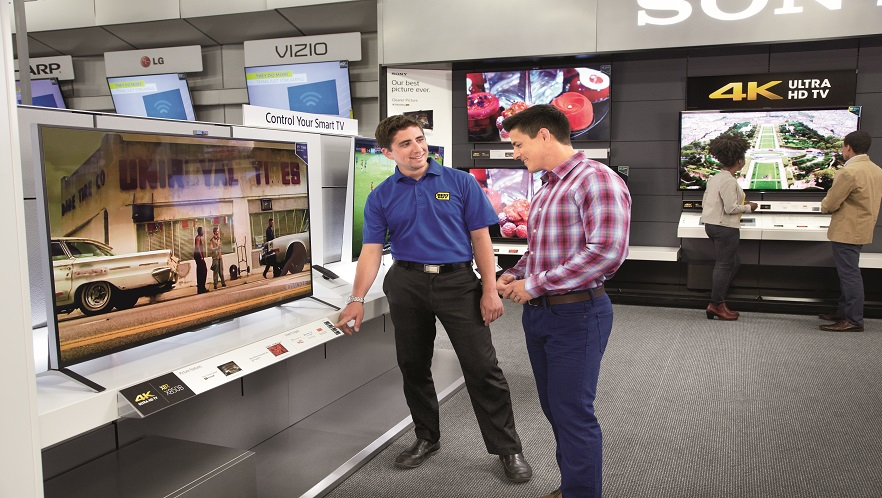
These trainings would never cover that. Or from personal experience when watching my Mom get a new iMac, she asked the sales rep, "can I get a different mouse? I don't like this [Apple Magic] mouse," and they said "of course" and grabbed her the cheapest USB Logitech mouse, which is all she needed. However: Macs only have USB-C and this mouse had a USB-A dongle with no Bluetooth, so how in the world would they connect it? I informed the employee of this as kindly as possible and they were more or less like, "no, trust me." I said nothing and went to resolve this on my own. If there was a training video that made it clear that most mice use a USB-A dongle, making Mac compatibility an issue, then this could have been avoided (but if the Apple Magic mouse was better designed for the average person this could've been avoided as well, so...).
I even have the luck of living next to a Microcenter. I find the people working there take more of an interest in technology and seem to understand it better (they could also have better training, but I have no way of knowing). But when I went in years ago when I was interested in buying a 3D printer, I would buy one, come home, and not know what was wrong with it, troubleshooting for hours. Then go back, get recommended a different one by a different person, and repeat the process. I was back for a 3rd time. This time I met someone who actually did 3D printing as a hobby and took the time to recommend a good 3D printer for a beginner and took time to explain core concepts to me I was misunderstanding.
That printer worked great for a while and got me to learn enough about the hobby to handle myself in the future. The guy who helped me was so into 3D printing he has his own YouTube/TikTok to show off his 3D prints; I shouldn't need someone of his caliber for getting started. Had someone explained that a novice probably needs a printer with auto bed leveling 'cause they won't know how to level a printer bed properly, or that certain 3D printer brands are known for being extremely cheap (I won't name names, maybe they are better now), then all of this could've been avoided. Honestly, if I wasn't as into tech as I was, I would've just said "screw it" and gave up, but that one guy made all the difference only 'cause he knew what to do.
How do we fix this problem? Well honestly, it's just about making the first month of an employee working there all about learning more nitty-gritty things about technology so they can help. Also, if someone is deeply knowledgeable, then the time it takes to help someone is greatly reduced since the answer is clear. Saving company time and making money off the purchase. Of course, a company can be worried about turnover and wasting that knowledge, but it's only a win-win. If they leave, they will probably still be a customer, so if they can make an informed decision and leave without bothering a sales rep, that is just pure money being made, and since they don't need to return it 'cause they got it right the first time. Money is saved on time and on returned inventory.
Finally, when I worked at Best Buy, they cared about one thing the most: Best Buy credit cards and memberships. When selling a customer the credit card at checkout, my store's guidance was "overcome three objections," which basically meant "get them to say no three times and then you can drop it." What? That is so messed up. The guidance should be: list the reasons for the card, and if they don't like it, they don't want it. It leaves such a sour impression on the customer. Once I heard a sales rep say they sold a card after overcoming something like double-digit objections. After 2 objections, it should immediately be dropped. The sales rep rightfully felt good 'cause they did something good as outlined in their job responsibilities and were congratulated by management for making the store look good. But the customer probably felt like a hostage. The people in the upper office need to make it so reps aren't rewarded for selling cards; it just makes customers uncomfortable. Make it so sales reps are rewarded for quick interactions with a low return rate. That means the customer was helped quickly and efficiently and that they were given a product that met their needs. It honestly upsets me that tech stores don't make this more of a priority.
To be honest, the only tech store I find that does a good job more than most is the Apple Store. It's by no means perfect, and of course, you are being up-sold. But after you wait your eternity in a packed store, you are helped by a nice person and they tell you what to get straight to the point. They explain the product so you can get started but don't make it preachy and you are on your way. You might be up-sold on Apple Care+, but it's usually just a one-time asked question and you leave. Nothing more, nothing less. Of course, Apple just wants to sell the product; other tech stores need something like a membership or credit card to make money. But if they focused on the core product... selling products... then a customer might be more willing to go, "well they are such a help, why not pay more to be elevated to even a higher level of customer?" Don't make the interaction: get them to buy literally anything, then beg for a credit card or membership. Make it: thoughtful interaction to get them what they need, explain why it's better than something else and why it works for them, and finally mention the perks of credit card/membership, make it an option not a threat, and send them on their way. Simple.
I actually really enjoy retail tech experiences. Not being able to physically examine something is why I don't think online shopping is better at everything. But if stores are going to make the experience almost hostile, then I understand why people just shop online. I really hope Best Buy and other tech stores can focus on upskilling their workers (who do a great job! They just need some guidance) and making sure the customer gets exactly what they need. Tech is more needed than ever and so is good advice.